Secondary Glazing - A Conservation Friendly Upgrade
Posted on 30 October 2025
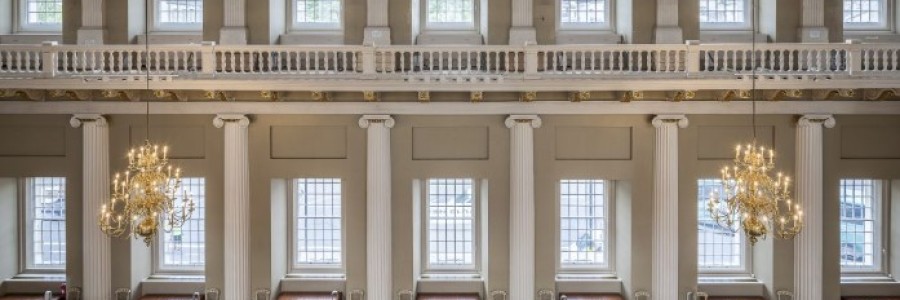
Underlying issues with heritage buildings…
The original windows in heritage buildings and older
properties can prove to be very problematic for owners. Many issues must be
addressed when speaking about these types of properties, as windows lack
insulation, which means that most owners run buildings less efficiently than
possible. They enhance noise pollution and attract condensation as moisture
builds up, therefore damaging the wood. They are also far more difficult to
replace, as conservation rules often prohibit owners from upgrading.
Secondary glazing and its benefits…
One possible solution to all these issues is secondary
glazing. Secondary glazing acts as an insulating barrier by creating a sealed
air gap between the original glass and the secondary glazing.
There are two main benefits to secondary glazing in
particular, which makes this attractive to home owners and property developers.
The main benefits include thermal aspects. Secondary glazing creates a sealed
air cavity between the original and secondary panes of glass. The air gaps acts
as insulation, therefore significantly increasing heat retention in a building.
Another benefit of secondary glazing is the acoustic
benefits it provides in terms of noise reduction. As the glass is thicker with
two panes present, as well as sealing and the frame design, the noise from the
outside reaching the inside of the building is largely reduced.
Examples of successful installation of secondary glazing…
Some examples of secondary glazing being used to correct
some of the issues listed above include the Plumstead Library in London. This
grade II listed building has single-glazed and metal-framed windows that
couldn’t be replaced. As the windows are large and face the high street, there
is high external noise and poor insulation. 63 secondary glazing units were
fitted. They were well sealed with tight insulation and worked to respect the
original appearance of the library.
Insulation was improved by ~1.9W/m2K achieved on the
metal-framed windows. As well as this, there was a noise reduction of
approximately 45dB.
Another example of this is the Supreme Court building in
London. This is also a grade II listed building, where the windows couldn’t be
modified; however, as a courtroom, the windows needed to be adjusted to meet
the requirements of being a quiet space. To address this issue, all existing
windows were secondary glazed and equipped with low-emissivity glass.
In this case, Insulation improved as the U-value decreased
to below 2.0W/m2K through the use of low-emissivity glass. There was a noise
reduction of more than 45dB as well, achieved through the use of thick
laminated glass.
Selectaglaze…
Selectaglaze is a company that specialises in secondary
glazing, looking to install additional glazing units to prevent replacing the
original windows. They provide services whereby they design, manufacture and
install glazing unique to each property’s needs, and they provide a whole range
of secondary glazing appropriate to accommodate all property types, with
different styles and glass options available.
Secondary Glazing can prove very effective for solving some
of the issues that come along with old heritage buildings, and may be something
to consider when purchasing a property, as it provides better energy
efficiency, comfort and preserves the buildings original style and character.
Other Articles
Know What a Site is Worth
Estimate the development value of any site in seconds with our Land Appraisal Calculator, used by developers across the UK.
Try the calculator